


Immersion-Type Negative Pressure Tank Burner
Negative pressure tank burner is designed to add hot water and similar aqueous solutions in various commercial and industrial process applications. The burner adopts an innovative technology, does not need a combustion chamber, and does not need special management and care for equipment.
A heat exchange tube with a larger diameter can be directly used to immerse into a medium water tank or liquid for heating. The diameter of the heat exchange tube varies from 60mm to 159mm, and the corresponding combustion power is also different. The heat exchange tube can be combined by a plurality of burners, and the exhaust flue can also be designed as a total exhaust.
Rigid construction, without exposed operating components or electrical connections, allows the negative pressure flume burner to operate in various process environments. The negative pressure flume burner system is a fully integrated combustion package. Granville is responsible for control system design, burner and fan selection and optimal configuration.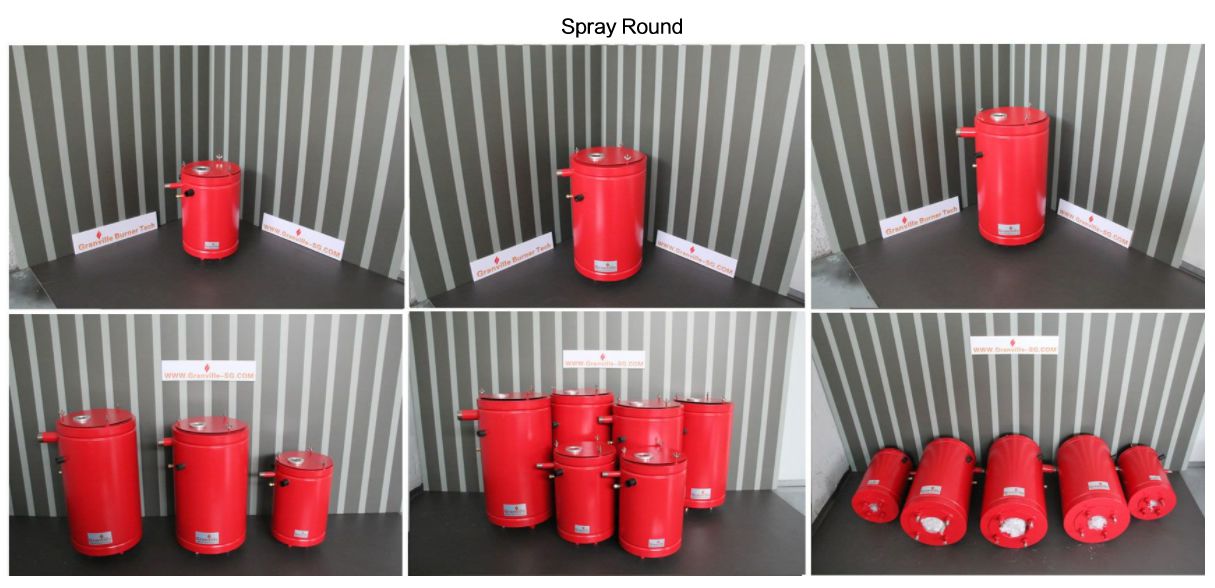
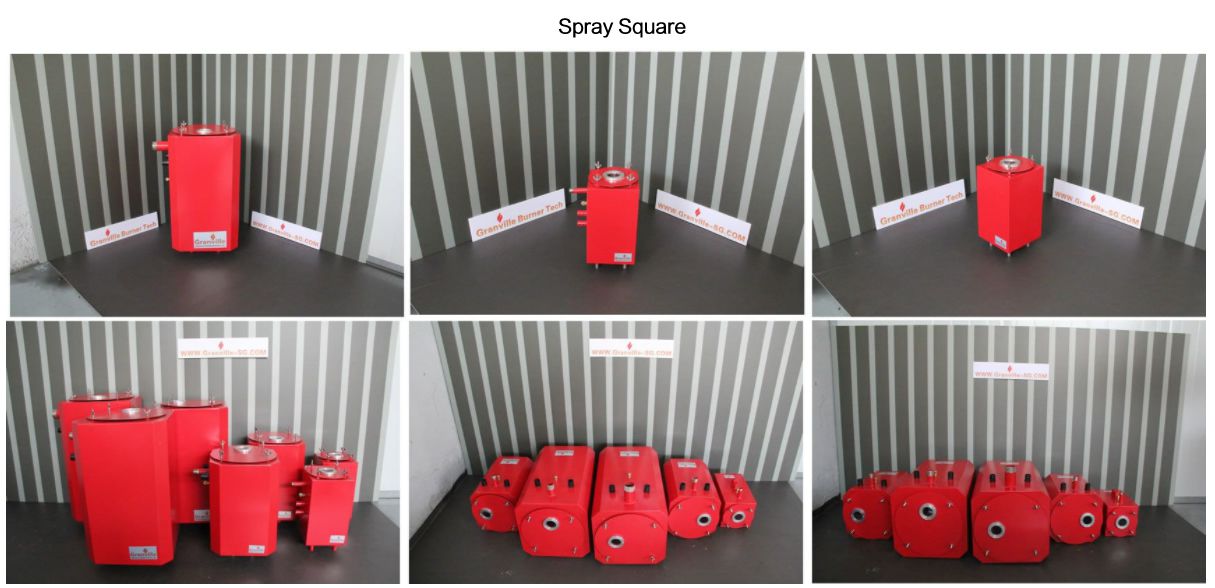
Features of direct-fire water tank heating products.
1, High thermal efficiency, reaching more than 85%, Low operating cost.
2, Compact design of heat exchange pipe structure, according to the tank structure design, the layout is flexible.
3. Adopt stainless steel heat exchange tube to realize clean heating.
4, Heating power:45KW~440KW, can adapt to different application requirements of customers.
5. Automatic temperature control system and safety valve system ensure the safe and stable operation of the equipment.
6. Fuel: Natural Gas/LPG
7.In the production process according to the demand to achieve a single tank separate control, that is, open and stop, flexible control
Industry Application:
1. Water System
- the leaching tank
- spray
-hot water supply system
2, Cleaning
Cleaning (Industrial Cleaning Machinery)
-cleaning of containers/pallets
-workpiece cleaning
3. Food and Beverage Processing
- hot water tank
- cleaning tank
- dehairing treatment of livestock and poultry in the slaughtering industry